ASHRAE Launches Centre of high standards for Building Decarbonisation

ASHRAE has established a dedicated Centre of high standards to address greenhouse gas emissions from buildings, signalling an alignment with global decarbonisation efforts. The move underscores the increasing pressure on the building sector to reduce its environmental impact. ASHRAE's new Centre of high standards for Building Decarbonization (CEBD) will consolidate the society's efforts to mitigate climate change within the built environment.
The centre will focus on four primary activities: strategy, thought leadership, collaboration, and public advocacy. The CEBD aims to achieve net-zero GHG emissions in operation for all new buildings by 2030. This represents an ambitious target, considering the current state of building technology. The CEBD will also coordinate joint initiatives with both US and international organisations, providing technical information to policymakers, the media, and the public. This collaborative approach is crucial for driving widespread adoption of decarbonisation strategies.
"Our decision to establish the ASHRAE Center of high standards for Building Decarbonization represents a strategic move towards amplifying our impact on climate change mitigation in the built environment,” said 2024-25 ASHRAE President Dennis Knight, P.E., BEMP, Fellow Life Member. “By making building decarbonization a focal point of our technical resources and advocacy, we are broadening our capacity to drive systemic change. CEBD signifies ASHRAE's dedication to empowering stakeholders with essential resources and educational opportunities and underscores our pivotal role in shaping a more sustainable future.”
The CEBD has already released Decarbonizing Hospital Buildings, a guide for hospital facility managers, planners, and architectural teams. Given the energy-intensive nature of healthcare facilities, this guide represents a significant step towards reducing their carbon footprint. This can be purchased via the ASHRAE online store. A further guide, Decarbonizing Building Thermal Systems: A How-To Guide for Heat Pump Systems and Beyond, is forthcoming.
ASHRAE, founded in 1894, is a global professional society committed to advancing heating, ventilation, air conditioning, refrigeration, and related fields. The organisation plays a vital role in setting standards and providing guidance for the built environment. Its standards, such as ASHRAE Standard 90.1 for energy efficiency, are widely adopted and often referenced in building codes worldwide. The ASHRAE Decarbonization Challenge Fund has been reinstated for a second year. Those interested can find out more about building decarbonization initiatives on the ASHRAE website.
This initiative should provide consultants and facility managers with a centralised resource for decarbonisation strategies, potentially influencing design and operational practices. The establishment of the CEBD reflects a growing awareness of the need for sustainable building practices.
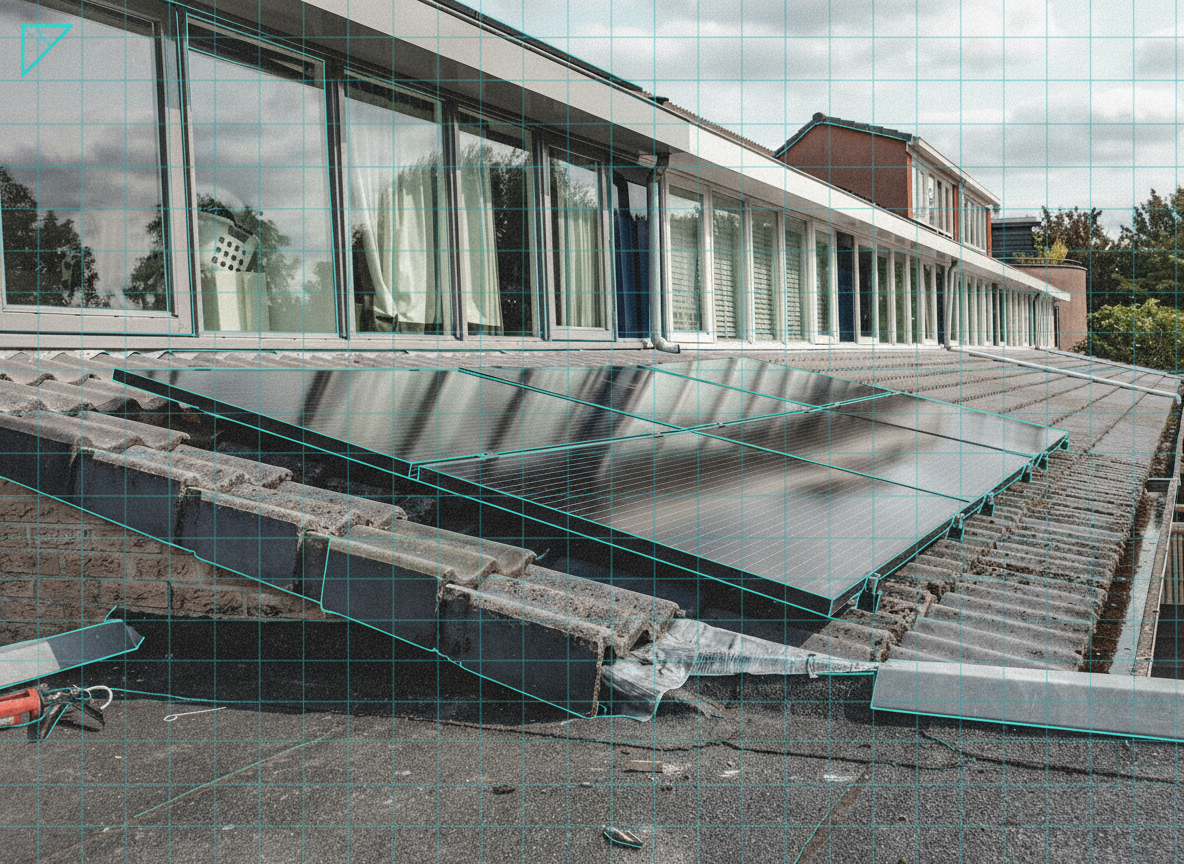
Decarbonising the built environment requires a multi-faceted approach. This includes improving energy efficiency through better insulation and building design, switching to renewable energy sources, and adopting low-carbon heating and cooling technologies such as heat pumps. Retrofitting existing buildings to improve their energy performance is also crucial.
ASHRAE has strengthened its commitment to reducing greenhouse gas (GHG) emissions in the built environment by establishing its first ever Center of high standards for Building Decarbonization (CEBD) which will drive the adoption of climate change mitigation policies and reinforce ASHRAE's goal to achieve net zero GHG emissions in operation for all new buildings by 2030.