GEA is making waves at Marintec China 2025, pushing its NOx Separator as the ultimate answer for cutting nitrogen oxide (NOx) emissions in EGR and iCER systems – but will it actually scrub up the shipping industry's act?
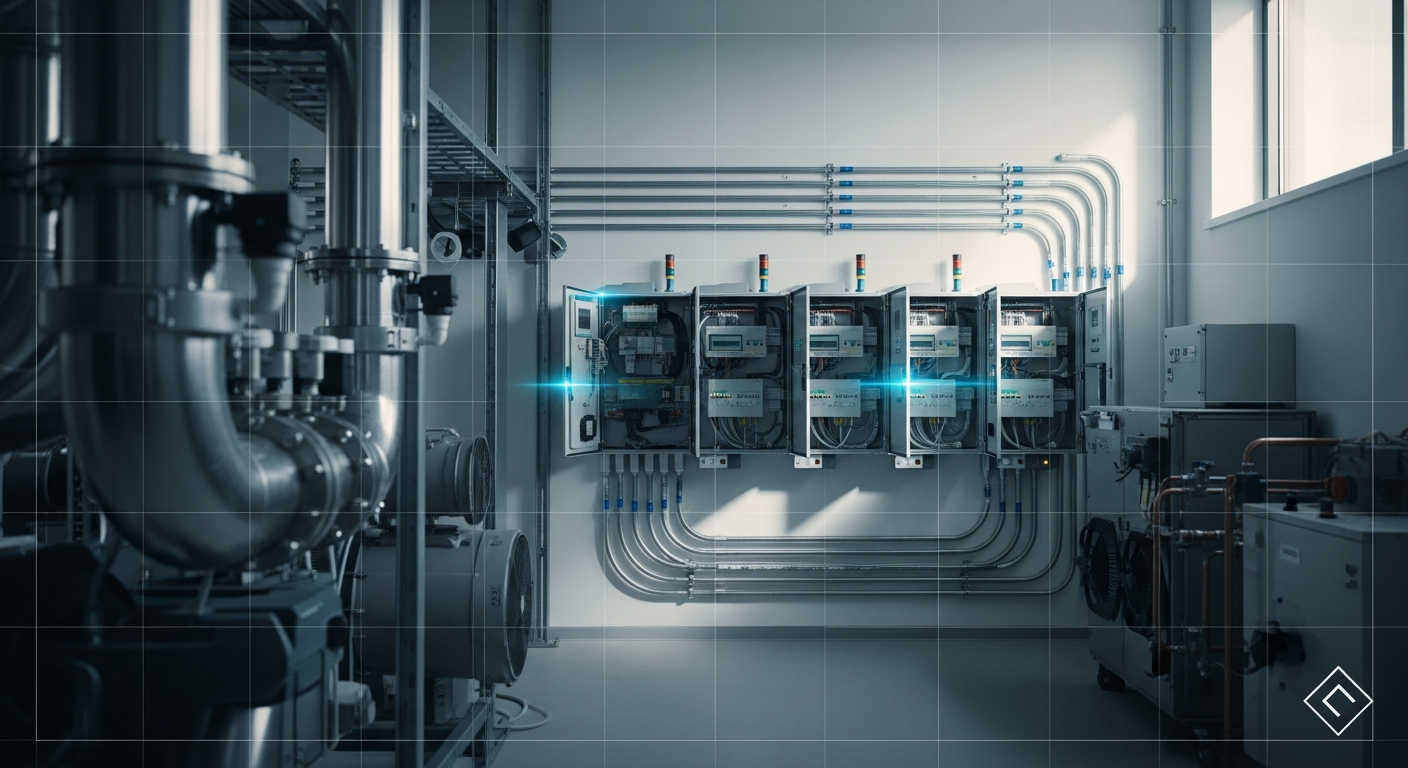
With the IMO breathing down their necks with ever-tightening Tier III regulations, the pressure is on the maritime industry to clean up its act. GEA hopes its NOx Separator, designed for treating wash water from Exhaust Gas Recirculation (EGR) and Internal Combustion Engine Retuning (iCER) systems, will be the answer, showcasing at Marintec China (2–5 December 2025).
According to GEA, the separator will help shipowners and engine builders cut emissions and, allegedly, "maintain consistent separation performance even under challenging operating conditions".
Li Bin, Senior Director Sales Separator, GEA China, claims the company wants to empower the shipping industry “to accelerate its shift toward low-emission operations.”
The EGR systems recirculate some exhaust gas back into the engine's cylinders, which is supposed to lower peak combustion temperatures and, therefore, NOx formation. It’s a bit like trying to hold your breath to avoid smelling something nasty – a temporary fix, at best.
iCER, which is a supposed improvement on EGR, involves cooling the recirculated exhaust gas even further, theoretically leading to even greater NOx reductions. Both EGR and iCER systems produce wash water that needs treatment, which is where GEA's NOx Separator comes in.
GEA is keen to bang the drum for methanol dual-fuel propulsion, which they reckon can slash greenhouse gas emissions by up to 65% compared to old-fashioned engines. It’s a bold claim.
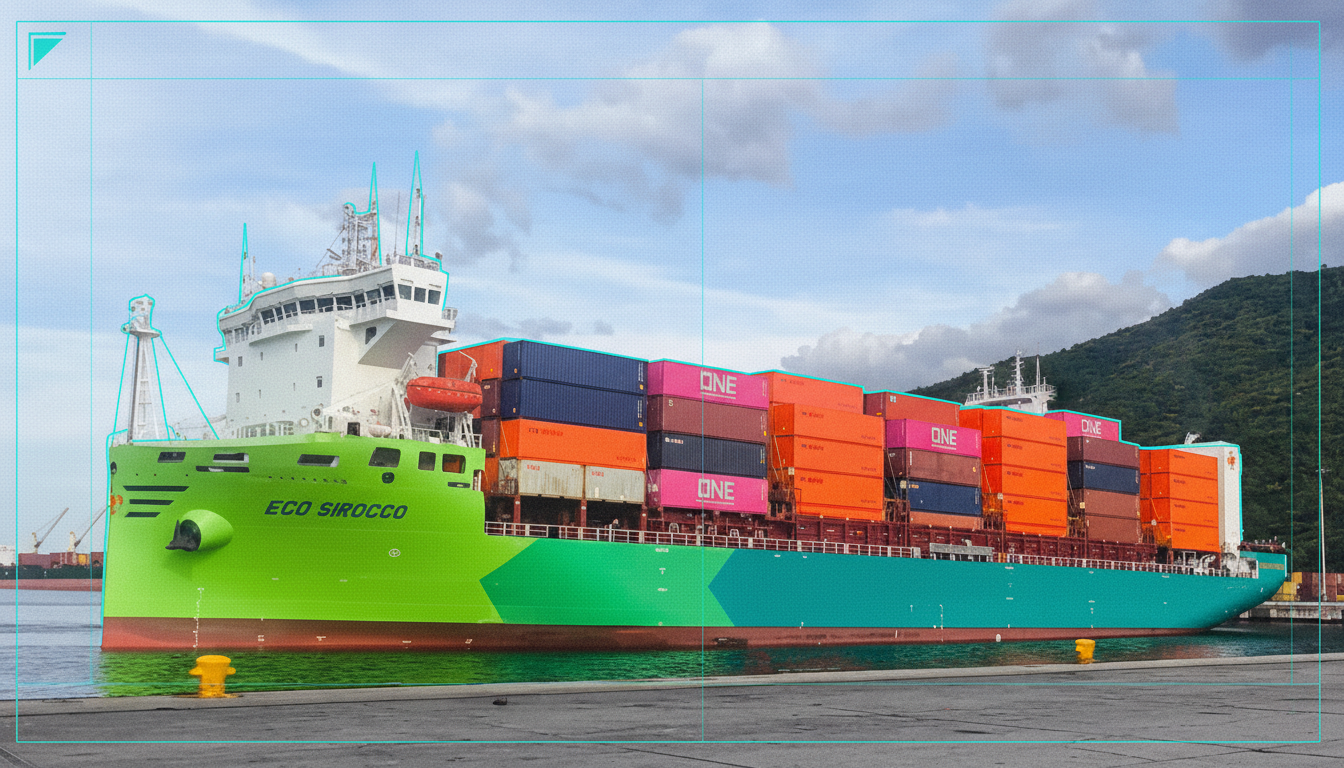
The company is pointing to the use of the GEA NOx Separator in several methanol dual-fuel projects, including supplying six separators for Everllence engines that will power 1,250-TEU container ships for X-Press Feeders.
"The delivery of the GEA NOx Separators for China’s first methanol dual-fuel main engine project is a milestone," according to Li Bin.
Methanol is becoming more popular as an alternative fuel because it contains less carbon than traditional bunker fuel. Dual-fuel engines can run on both methanol and conventional fuel, giving ship operators some flexibility.
Even though burning methanol still produces some CO2, the overall greenhouse gas emissions are supposedly reduced, making it an acceptable option for meeting ever-stricter environmental regulations.
GEA also touts its expertise in environmental protection, performance, and profitability when it comes to climate-friendly ship construction and retrofitting.
X-Press Feeders, based in Singapore, is throwing money at methanol-fuelled vessels to try and improve its green credentials. The 1,250-TEU container ships mentioned are part of this grand plan, showing a growing trend in the industry towards supposedly greener technologies.
The maritime industry contributes approximately 3% of global greenhouse gas emissions. Whether GEA's NOx Separator is a genuine solution or just window dressing remains to be seen.
Still waters run deep – and often polluted.