Digital Building Logbook: EU Outlines Data Framework

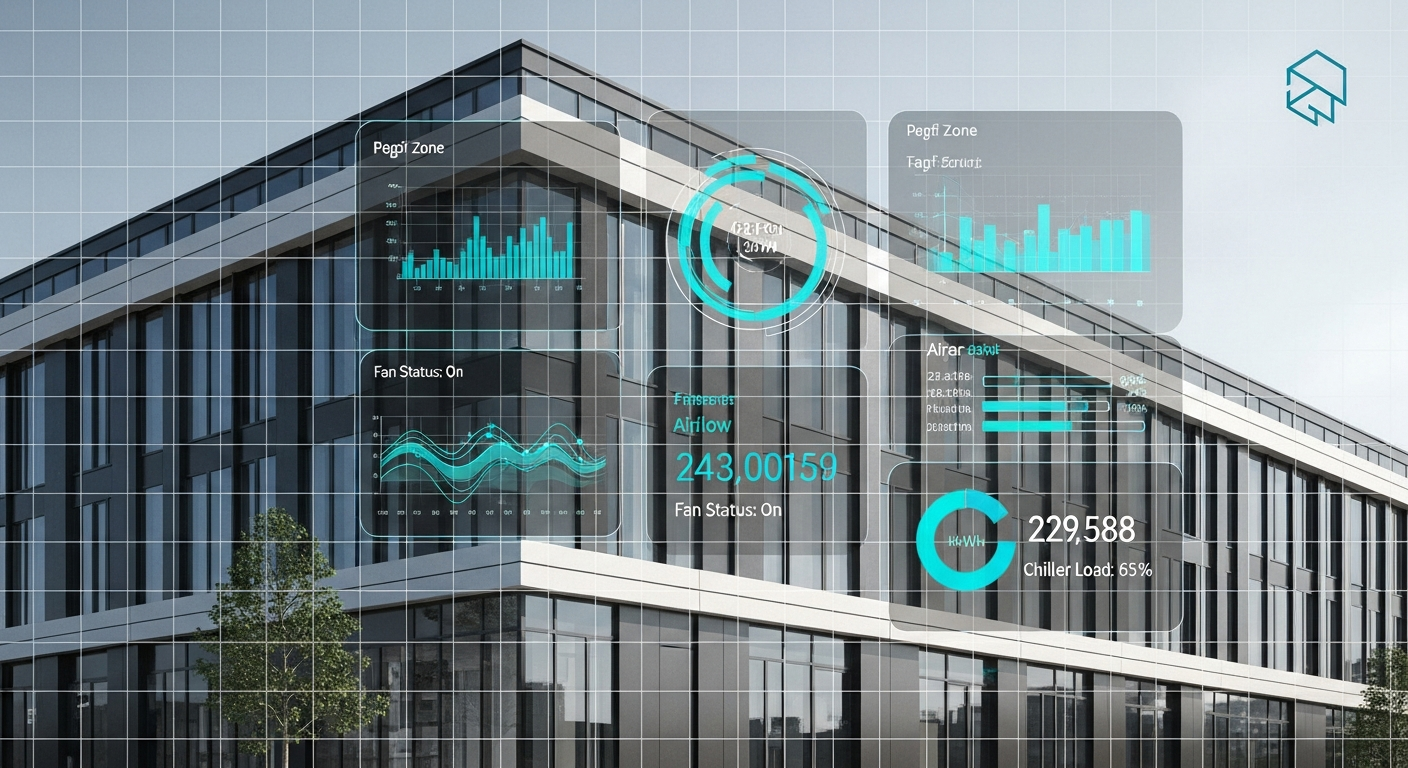
The European Commission's final report on the Digital Building Logbook (DBL) proposes a unified approach to building data across the EU, potentially transforming HVAC (heating, ventilation, and air conditioning) system management and energy efficiency. This initiative aims to standardise how building information is collected, managed, and accessed across the European Union.
Following earlier publications defining the DBL concept and assessing its current state, the European Commission has now released the final report of its study on developing a European Union framework for digital building logbooks.
The Digital Building Logbook aims to establish a common European method for aggregating building data and ensuring appropriate access to information. This centralised repository intends to increase data transparency, encourage innovation, reduce costs, and bolster investor confidence within the building sector.
The DBL framework has significant implications for how HVAC systems are managed, maintained, and upgraded, as well as how energy efficiency is monitored and reported. By providing a comprehensive overview of a building's performance, the logbook can facilitate more informed decision-making and optimised resource allocation.
The report highlights three priority actions for successful implementation:
- Developing a standardised approach for data collection, management, interoperability, and its legal framework.
- Creating guidelines for linking existing databases.
- Launching publicly funded R&I projects to explore the Digital Building Logbook concept and its implementation.
These actions are designed to ensure that the DBL is not only technically feasible but also legally sound and widely adopted across the EU.
The study aims to support the harmonised use of the Digital Building Logbook across Europe, contributing to several policy initiatives. These include the "Strategy for a Sustainable Built Environment", the "European Green Deal", the "Circular Economy Action Plan", the Smart Readiness Indicator, the Level(s) framework, Building renovation passports, and Energy Performance Certificates. Each of these initiatives shares the common goal of improving the sustainability and efficiency of the built environment. The "European Green Deal," for example, sets ambitious targets for reducing greenhouse gas emissions, and the DBL can play a vital role in tracking progress towards these goals. Similarly, the Circular Economy Action Plan promotes resource efficiency and waste reduction, areas where the DBL can provide valuable data for monitoring and optimisation.
REHVA has been actively involved in the development of this study, providing input through stakeholder consultations, comments, and reviews.
The DBL framework is poised to enhance data transparency in the building sector, potentially supporting innovation and investment.