GEA Separation Tech Deployed in Angolan Bioveterinary Centre


GEA is equipping Angola's new veterinary vaccine institute in Huambo with separation technology, including a CSC 6 centrifuge and VESTA® sterile valves – presumably to keep everything nice and clean.
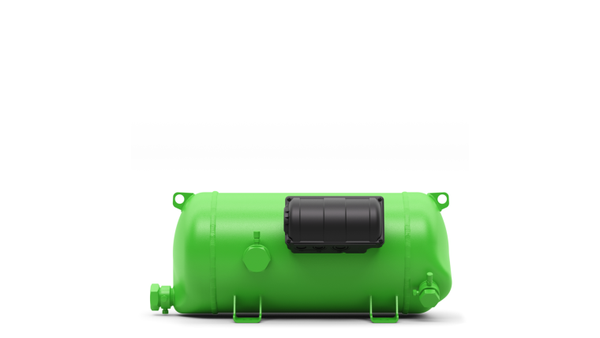
The new veterinary vaccine institute will receive GEA separation technology. This includes a CSC 6 stainless steel disc centrifuge and a CIP (“Clean in Place”) system. Both skids are fully equipped with VESTA® valves from GEA, featuring a fully hermetic sealing system, which the blurb claims is ideal for aseptic valve technology.
The project is being carried out by GAUFF Engineering in collaboration with NORÁFRICA on behalf of the Angolan government, represented by the Ministry of Agriculture and Forestry (MINAGRIF), with GEA as one of the suppliers. German President Frank-Walter Steinmeier visited the construction site in early November 2025, a nice photo opportunity for all involved.
Commissioning is planned for autumn 2026. The Angolan government intends the Bio-Veterinary Center to diversify the country's economy and sustainably increase the efficiency and profitability of agriculture and livestock farming. The centre will produce a range of animal vaccines, including for cattle, pigs, goats, sheep, and poultry. This, the Angolan government hopes, should significantly reduce Africa's dependence on imported vaccines. Research and development laboratories, plus facilities for quality testing and control, will be established to promote innovations tailored to African conditions and pathogens.
GEA developed the CSC 6 centrifuge for the pharmaceutical biotechnology industry in accordance with current cGMP requirements (Current Good Manufacturing Practice). It's manufactured in a steam-sterilisable design (SIP up to 2.5 bar/137°C) for aseptic processing and features a fully automatic cleaning program (CIP, “Clean-in-Place”), implemented with the supplied CIP system. GEA claims the patented GEA Hydrostop system allows for uninterrupted operation and gentle handling of shear-sensitive products.
The intention is worthy enough – assuming, of course, that it all works as intended.