Reefer Training Boosts Natural Refrigerant Skills in Costa Rica and South Africa

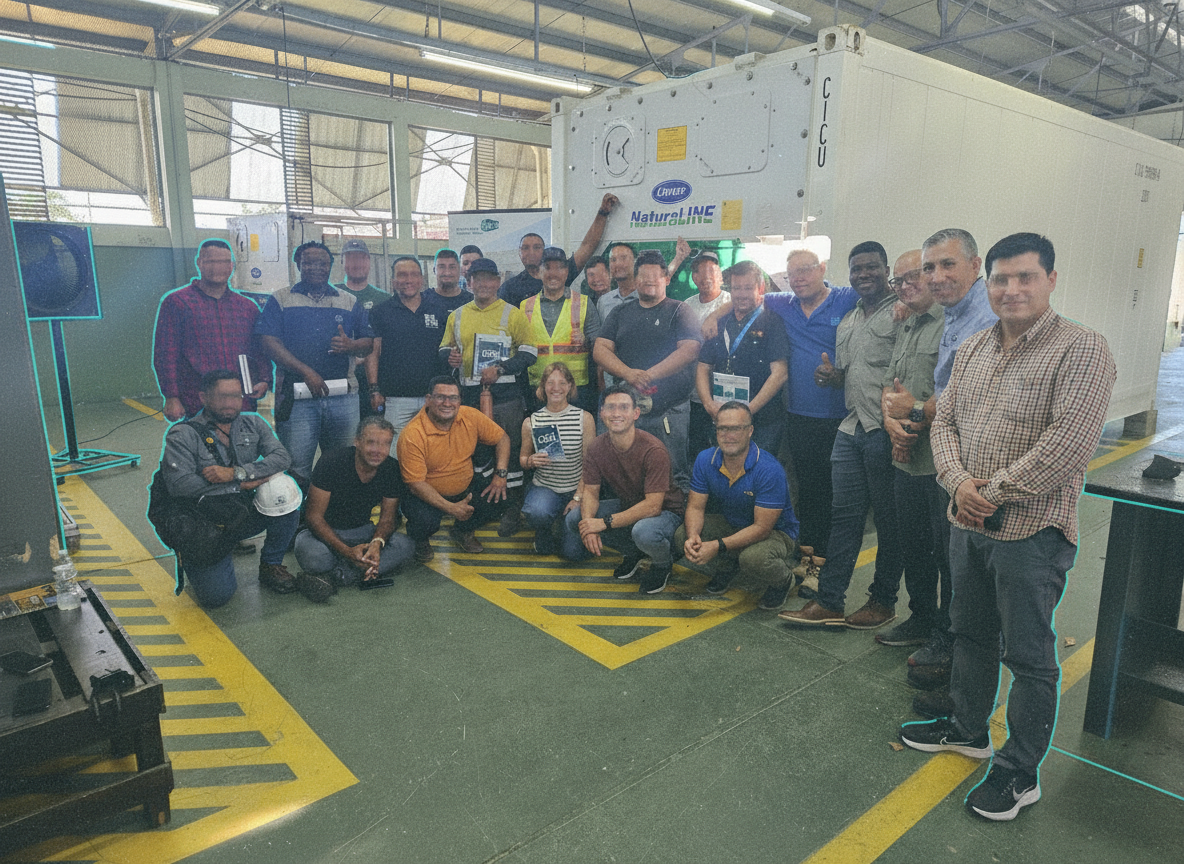
Training programmes in Costa Rica and South Africa are preparing technicians for the transition to climate-friendly refrigerants in the refrigerated container (reefer) industry. The refrigeration industry is undergoing a significant shift away from hydrofluorocarbons (HFCs) towards natural refrigerants, such as CO₂ (R744) and propane (R290), to mitigate environmental impact. These training programmes address a crucial skills gap in handling these new technologies within the global cold chain, crucial for preserving food, pharmaceuticals and other temperature-sensitive goods during transport.
The Greener Reefers Project is addressing the critical skills gap by providing training, resources, and guidance for technicians and educators. Funded by Germany’s Federal Ministry for the Environment through the International Climate Initiative (IKI) and implemented by GIZ, the project connects stakeholders across countries, fostering knowledge exchange and capacity building. Its goal is to ensure that climate-friendly refrigeration solutions can be implemented safely and widely, helping the industry cut emissions without compromising the global supply of perishable goods.
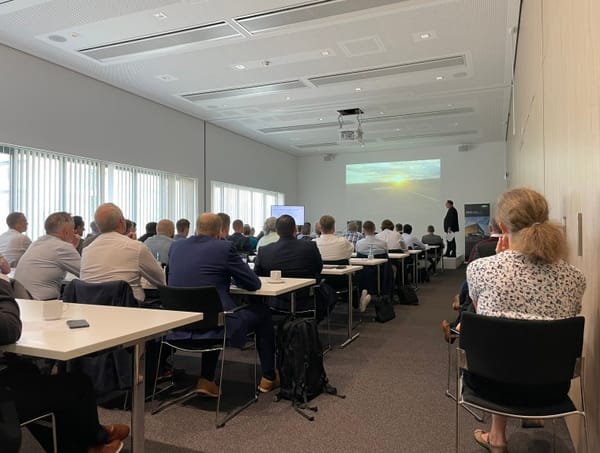
In Durban, South Africa, from 14 to 18 July 2025, the city hosted its first training on CO₂-based refrigerated containers, bringing together seven technicians from the Air Conditioning and Refrigeration Academy (ACRA) and from West Coast College. Participants were highly enthusiastic and actively engaged, learning more about the only reefer operating with a natural refrigerant, the Carrier Transicold NaturaLine. The training combined theoretical lessons with hands-on practice, enabling participants to troubleshoot real CO₂ reefer units while learning safe handling practices and energy-efficient operations. Additional CO₂ reefer units are slated for donation to training centres like West Coast College.
These efforts to accelerate this transition are already underway. South Africa’s strong commitments under the Montreal Protocol and its Kigali Amendment, while addressing a critical national skills gap in the refrigeration sector are crucial for implementing and continuing this collaboration. The long-term impact is strengthened by the donation of additional CO₂ reefer units to training centres, such as the West Coast College, allowing these institutions to continue offering practical experience. All news regarding this project is available online.